Review: Cute Duck Rainy Day Embroidery Design
As an embroidery designer who has spent countless weekends standing behind craft fair tables, I have learned that success is not just about the quality of your stitching. It is about stopping power. When a customer walks past your booth, you have less than three seconds to catch their eye. This is why I recently pulled the Cute Duck Rainy Day Embroidery Design into my digitizing software to test its viability for my upcoming spring market season. After reviewing the file and running several test stitches, I am ready to share my professional assessment of how this design performs in a real-world retail environment.
First Impressions and Visual Appeal
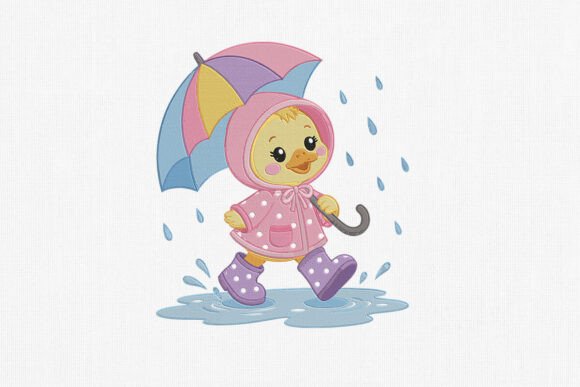
The first thing that strikes you about this machine embroidery design is its inherent charm. The description promises a sweet little duck wearing a polka dot raincoat, and the execution delivers exactly that. In the context of a busy craft fair, designs that evoke an immediate emotional response tend to perform best. This piece feels soft, playful, and undeniably cute. It does not try to be overly complex or abstract. Instead, it leans into a whimsical aesthetic that appeals to a broad demographic, from parents looking for nursery decor to adults who appreciate lighthearted, cheerful motifs.
The visual balance is strong. The duck serves as a clear focal point, while the polka dots add texture without creating visual noise. For a handmade product line, this kind of clarity is essential. Customers need to understand what they are looking at from a distance. A muddy or overly dense design gets lost on a crowded table, but this digital embroidery file maintains its integrity even when viewed from a few feet away.
Product Versatility for Craft Fair Sellers
One of the biggest challenges for any Etsy seller or boutique maker is maximizing the utility of a single asset. You want a design that can be applied across multiple product types to create a cohesive collection. Here is how I see the Cute Duck Rainy Day Embroidery Design performing across various items:
- Tote Bags and Market Bags: This is arguably the strongest application. A canvas tote provides a large, flat surface that allows the design to breathe. The contrast of a colorful duck against natural cotton or linen creates a premium look that justifies a higher price point.
- Apron Embroidery: Kitchenware is a staple of handmade markets. Placing this design on the bib of a child’s apron or the pocket of an adult’s bistro apron adds immediate character. It transforms a basic utility item into a giftable keepsake.
- Tea Towel Embroidery: Textiles sell well because they are low-commitment purchases for buyers. However, towel loops can be tricky. Ensure you use a cut-away stabilizer to prevent puckering, as the stitch density needs to support the loose weave of typical kitchen towels.
- Embroidered Patches: If you offer iron-on or sew-on patches, this design is ideal. Its self-contained shape means it does not require extensive background filling, making it cost-effective to produce in batches.
- Pillow Covers and Nursery Decor: Given the product category is Nursery, this design shines on baby items. A small hoop size placed centrally on a muslin pillow cover creates a sophisticated, minimalist look that modern parents love.
Production Practicality and Batch Efficiency
From a production standpoint, time is money. When preparing for a weekend craft fair, I need designs that are reliable and fast. The Cute Duck Rainy Day Embroidery Design appears to be optimized for efficiency. The lines are clean, suggesting that the digitizer has managed the stitch paths well to minimize jumps and trims. This is crucial for a small shop product where you might be running multiple machines simultaneously.
However, there are careful-use notes to consider. While the design is charming, you must pay attention to the tiny details. The polka dots on the raincoat are small elements. If you attempt to scale this design down too much for a tiny pouch or a hat brim, these dots may lose clarity or become difficult to stitch cleanly. Always check the minimum recommended hoop size provided with the file. If the documentation does not specify exact stitch counts or minimum dimensions, I strongly advise running a test stitch on scrap fabric before committing to your final inventory.
Additionally, consider your thread colors. The design likely relies on contrast between the duck, the raincoat, and the background. On dark fabrics, you may need to adjust the thread palette or add a satin stitch border to ensure the duck pops. On textured fabrics like terry cloth or heavy denim, the small details might get lost. In those cases, using a heavier weight thread or simplifying the underlay can help maintain definition.
Marketing and Online Presence
Beyond the physical booth, this design is a strong contender for online listings. It photographs beautifully. The distinct shapes and bright potential colorways make it easy to create eye-catching printable mockup images for your Etsy shop or social media. When you list this as a commercial embroidery finished product, highlight the versatility. Show the same design on a tote, a onesie, and a patch to demonstrate value to your customers.
For those selling the embroidery file itself rather than finished goods, ensure your listing clearly states the license terms. Many buyers are creative entrepreneurs looking for design assets they can use in their own businesses. Clear communication about commercial use rights builds trust and encourages repeat purchases.
Designer Tips for Best Results
To ensure your craft fair product line looks professional, follow these practical steps before mass production:
- Test on Scrap Fabric: Never skip this step. Check for puckering, especially if using lightweight fabrics like voile or heavy textures like canvas.
- Check Stabilizer Choice: Use a tear-away for stable woven fabrics and a cut-away for stretchy knits or loose weaves like towels. The right stabilizer is the difference between a amateur look and a boutique finish.
- Review Spacing: Ensure there is enough space between the duck and the edge of your hoop or garment seam. Crowded designs look cheap.
- Confirm Commercial Licensing: Before selling any finished product, verify that your purchase of the digital file includes the right to sell physical items made with the design.
In conclusion, the Cute Duck Rainy Day Embroidery Design is a versatile and market-ready asset for any embroidery business. It balances cuteness with clarity, making it suitable for a wide range of applications from nursery decor to everyday accessories. By paying attention to fabric choice, stabilizer selection, and appropriate scaling, you can turn this delightful digital file into a best-selling staple of your handmade inventory.