Cute Duck Couple Embroidery: A Designer’s Review
As an embroidery designer who spends countless hours digitizing and testing files, I am always cautious about what I add to my library. When I first encountered the Cute Duck Couple Embroidery design on Creative Fabrica, I was immediately drawn to its whimsical charm. It is not just another generic animal motif; it carries a specific visual mood that balances playfulness with tenderness. For those of us in the handmade community, finding a machine embroidery design that translates well from screen to fabric is half the battle. This review breaks down my experience evaluating this file for real-world commercial use, focusing on its practical application for small business owners and crafters.
First Impressions and Visual Appeal
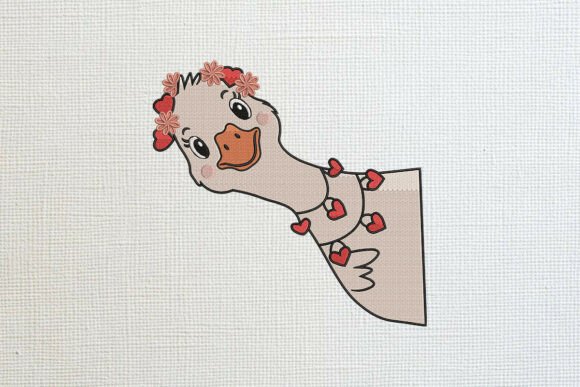
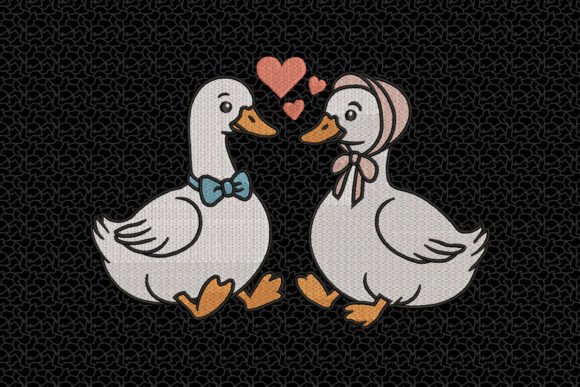
The initial appeal of the Cute Duck Couple Embroidery lies in its clean lines and expressive character details. The design avoids overly complex shading, which is often a pitfall in smaller embroidery files. Instead, it relies on strong outlines and solid fill areas to create definition. This approach ensures that the "cute" factor remains intact even when stitched out on textured fabrics. The decorative appeal is universal, making it suitable for more than just Valentine S Day projects, although it fits that category perfectly. Whether you are creating a personalized gift for an anniversary or a cheerful addition to spring nursery decor, the aesthetic is versatile.
From a technical standpoint, the stitching personality appears balanced. The design likely utilizes a combination of satin stitch for outlines and finer details, and fill stitch for the bodies of the ducks. This mixture is crucial for maintaining texture without creating a stiff, cardboard-like feel on the finished product. As a designer, I look for this balance because it directly impacts the drape and comfort of custom apparel.
Real-World Project Applications
When considering where to use this embroidery file, I immediately thought of several high-demand products for Etsy sellers and boutique merchandise. Here is how I envision this design performing across different mediums:
- Tote Bag Design: The bold shapes of the duck couple would stand out beautifully on canvas tote bags. The contrast between the thread colors and the natural fabric can create a striking visual impact.
- Sweatshirt Embroidery: Placed on the left chest or as a larger back piece, this design adds a playful touch to hoodies and crewnecks. It appeals to customers looking for unique, non-generic streetwear.
- Baby Items: Soft pastels work wonderfully here. Imagine this on a baby blanket or a burp cloth. The gentle theme makes it an ideal choice for baby showers and newborn gifts.
- Embroidered Patch: If you have the right stabilizer and backing, this design can be turned into an iron-on patch. Patches are a low-risk way for customers to try your brand before committing to a full garment.
- Kitchen Towels and Aprons: For home decorators, adding this motif to linen towels creates a charming, rustic vibe that sells well at craft fairs.
The versatility of the Cute Duck Couple Embroidery allows it to bridge the gap between seasonal holiday items and year-round bestsellers. While it fits the Valentine S Day niche, its appeal extends to anyone who loves animals or whimsical art.
Technical Considerations for Stitching
Before running this design on a customer’s expensive garment, there are critical technical factors to address. Every digital embroidery file behaves differently depending on the machine and material. Here are my practical notes for ensuring a professional result:
- Fabric Selection: Test on scrap fabric first. Stretchy fabrics like jersey require a cut-away stabilizer to prevent distortion, while woven cottons may do well with tear-away. Avoid very loose weaves unless you use a water-soluble topping.
- Stitch Density: Check the stitch density settings in your software if you have access to edit the file. High density on thin fabric can cause puckering. If the design feels too dense, consider increasing the pull compensation slightly.
- Hoop Size: Confirm the hoop size required for this design. Ensure your machine can accommodate the dimensions without needing to re-hoop, which can lead to alignment issues.
- Thread Colors: Review thread color contrast. On dark fabric, you may need to adjust the palette to ensure the ducks pop. Lighter threads on dark garments might require an underlay stitch to prevent the fabric color from showing through.
- Curved Surfaces: If applying this to caps, use a cap frame and appropriate stabilizer. Curved surfaces can distort designs, so test on a dummy cap before stitching on sellable inventory.
It is also vital to inspect small details after stitching. Look for thread breaks or loose tails. A professional finished product must be clean and durable, especially for items that need frequent washing.
Impact on Brand Value and Sales
Using high-quality design assets like the Cute Duck Couple Embroidery can significantly affect your brand consistency. Customers associate crisp, well-executed embroidery with higher value. When you offer a unique design that isn’t available everywhere, you build buyer trust. This design lends itself well to product photography; the clear shapes and cute expression make for engaging social media content, which drives customer engagement.
For those selling printable mockups, this design can be digitally placed on various products to showcase potential outcomes without stitching every sample. However, nothing replaces the tactile quality of a real handmade product. When customers see the texture of the satin and fill stitches in person, it reinforces the premium nature of your work.
Final Verdict and Licensing Notes
Is the Cute Duck Couple Embroidery worth downloading? For designers looking to expand their catalog with charming, commercially viable motifs, yes. It offers a solid foundation for various applications, from custom apparel to home decor. However, always verify the specifics. Since product details can change, I advise readers to check the Creative Fabrica product page for the exact file formats, stitch count, and license terms before selling finished items. Ensure that the license covers commercial use for the volume of sales you anticipate.
In conclusion, this design is a reliable addition to any embroidery library. It balances aesthetic appeal with technical feasibility, making it a smart choice for both novice crafters and experienced commercial embroidery professionals. By taking the time to test and refine your setup, you can turn this digital file into a profitable physical product.