Review: Cute Cat Cactus Embroidery Design for Makers
As a designer who has spent countless hours digitizing and stitching thousands of patterns, I have learned that the difference between a good design and a great one often lies in the details. When I first loaded the Cute Cat Cactus Embroidery Design into my software, I was looking for more than just a pretty picture. I wanted to know if this file would hold up under the needle, how it would translate to different fabrics, and whether it would add genuine value to a handmade product. After running several test stitches and evaluating its potential for commercial use, here is my honest assessment of this charming pattern.
First Impressions and Visual Appeal
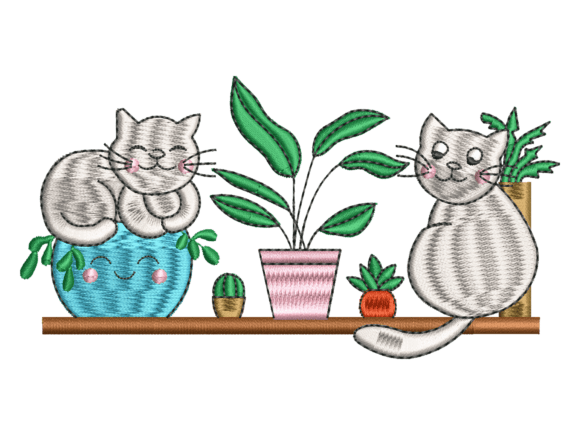
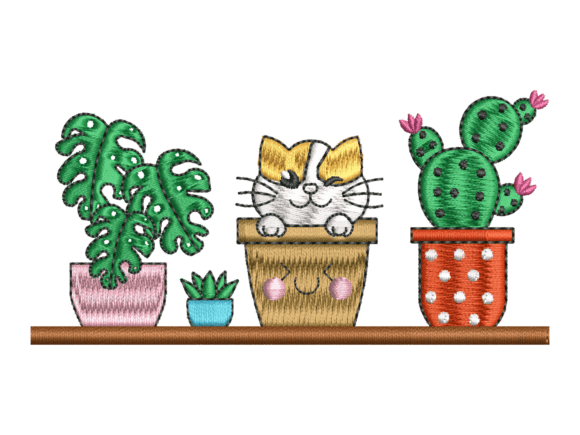
The initial visual impact of this design is undeniably warm. It captures a specific "cozy aesthetic" that is currently trending in home decor and apparel. The concept of a playful peeking calico kitten on a planter shelf creates an immediate emotional connection. For embroidery designers and crafters, this mood is crucial because it dictates where the design belongs. This is not a bold, aggressive logo; it is a soft, narrative piece.
The layout features a panoramic border style, which is versatile. The textured wooden shelf element suggests a mix of fill stitches and possibly running stitches to create grain, while the cactus and cat likely utilize satin stitch for smoothness and definition. The balance between the organic shapes of the plant and the structured line of the shelf provides visual interest without becoming chaotic. For an Etsy seller or small shop owner, this kind of visual storytelling helps a handmade product stand out in a crowded marketplace.
Real-World Application Scenarios
To truly evaluate an embroidery file, you must imagine it stitched out. I visualized this design on several common items to gauge its versatility. Here is how I see it performing in real projects:
- Tote Bag Design: Placed centrally on a canvas tote, the horizontal nature of the shelf design works perfectly. It frames the bag’s surface without getting lost in the seams.
- Sweatshirt Embroidery: On the left chest of a crewneck sweatshirt, this design acts as a subtle yet engaging accent. It is detailed enough to be noticed but not so dense that it weighs down the fabric.
- Kitchen Towels and Aprons: The theme fits naturally in a kitchen setting. Stitched near the hem of a linen tea towel, it adds a touch of whimsy that appeals to buyers looking for unique housewarming gifts.
- Nursery Decor: For baby items, the soft colors and cute subject matter make it ideal for pillow covers or wall hangings. However, care must be taken with thread choices to ensure they are safe and durable.
When preparing a custom apparel order or a batch of holiday embroidery gifts, this design offers flexibility. It does not scream "seasonal," meaning it can be sold year-round, which is a significant advantage for maintaining consistent revenue in a craft business.
Technical Considerations for Stitching
While the design is charming, technical execution is where many digital files fail. Here are the practical aspects I considered before committing to a full production run.
Fabric and Stabilizer Choices
The success of any machine embroidery design depends heavily on the substrate. For this design, I recommend medium-weight cotton or linen blends. The "textured wooden shelf" description implies detail that might get lost on highly textured fabrics like terry cloth or heavy fleece. If you are stitching on stretchy fabric, such as a jersey t-shirt, using a cut-away stabilizer is non-negotiable to prevent puckering.
For darker fabrics, you must check the thread colors included in the file. If the design relies on light pastels for the cat or cactus, it may not pop against navy or black material. In such cases, consider modifying the color palette in your software or adding a white underlay to ensure visibility.
Density and Detail
One concern with panoramic designs is stitch density. If the shelf area is too densely filled, it can cause the fabric to pull or the needle to break. I advise checking the stitch count and density settings in your embroidery software. Look for a balance between satin stitch borders and fill stitch areas. Too much saturation in a small hoop size can lead to a stiff, cardboard-like feel in the finished product, which reduces the perceived quality of the item.
Additionally, pay attention to the small details, such as the cat’s eyes or the cactus spines. These fine elements require precise tension settings. If you are new to using this file, always run a test stitch on scrap fabric identical to your final material. This step saves time, thread, and frustration.
Commercial Viability and Branding
For digital product sellers and commercial embroidery professionals, the licensing terms are critical. Before selling finished items or using this as a design asset in a larger collection, confirm the license provided with the download. Assuming commercial use is permitted, this design has strong potential for branding.
It fits well within the "cottagecore" and "pet lover" niches, which have dedicated customer bases. Using this design in a printable mockup for your online store can help customers visualize the final result. High-quality previews increase buyer engagement and trust. Furthermore, because the design is distinct yet simple, it reinforces a brand identity that values charm and craftsmanship.
Where to Use Caution
- Small Hoop Sizes: If the design is large, it may not fit in a 4x4 inch hoop without resizing, which could distort the proportions of the cat and shelf.
- Curved Surfaces: Stitching this on a cap requires careful hooping. The panoramic width might wrap around the curve too much, making the design look stretched.
- Frequent Washing: Ensure that the stitch types used are secure. Loose running stitches in high-wear areas like tote bag handles may unravel over time.
Final Verdict for Crafters
The Cute Cat Cactus Embroidery Design is a solid addition to any designer’s library. It offers a blend of personality and practicality that appeals to both hobbyists and professional Etsy sellers. Its strength lies in its emotional appeal and versatile layout, making it suitable for a wide range of embroidery projects from baby embroidery to home decor.
However, its success depends on your technical preparation. Respect the fabric, choose the right stabilizer, and verify the stitch density. By treating this digital embroidery file with the same care you would give to a custom digitized project, you can create a finished product that delights customers and enhances your reputation for quality. Whether you are making a personalized gift or stocking your small shop, this design has the potential to become a bestseller if executed with precision.