Sleeping Cat Embroidery Design: A Designer’s Review
As a designer who spends more time staring at stitch maps than actual fabric, I have learned that not every cute illustration translates well into thread. When I first loaded the Sleeping Cat Embroidery Design into my digitizing software, I was looking for more than just an adorable feline face. I was looking for structural integrity, stitch flow, and commercial viability. This review breaks down how this pattern performs in real-world scenarios, from custom apparel to boutique home decor.
First Impressions and Visual Mood
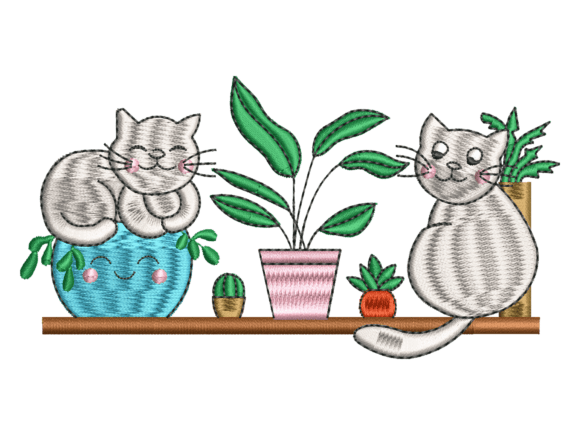
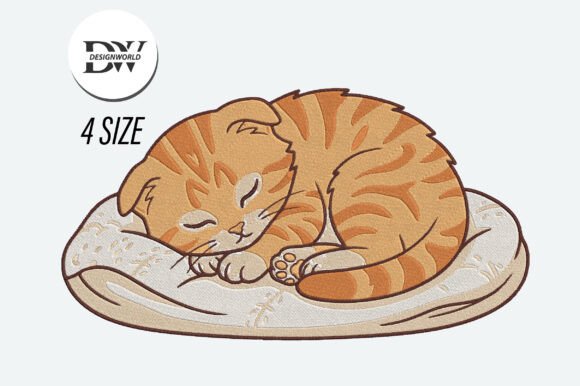
The immediate appeal of this design lies in its tranquility. In a market saturated with high-energy, cartoonish animal motifs, a sleeping cat offers a refreshing pause. The layout captures a curled posture that is naturally compact, making it versatile for various hoop sizes. The artistic details suggest a softness that relies heavily on the interplay between fill stitch areas and delicate outlines. For embroidery designers, this balance is critical. If the fill is too dense, the fabric puckers; if it is too sparse, the backing shows through. This design appears to strike a middle ground, aiming for a plush, textured look without overwhelming the material.
The visual personality is gentle and inviting. It does not scream for attention but rather invites a closer look. This subtlety makes it an excellent candidate for products where the embroidery serves as a sophisticated accent rather than a loud graphic statement. Whether you are creating a personalized gift for a new parent or adding value to a line of handmade product items, the mood here is one of comfort and warmth.
Real-World Application and Project Fit
To truly evaluate a machine embroidery design, you must imagine it stitched out. I recently considered this pattern for a custom order involving organic cotton tote bags. The compact shape of the sleeping cat fit perfectly within a 4x4 inch hoop, leaving ample room for monogramming or additional text if the client desired. The result was a chic, minimalist tote bag design that appealed to customers who prefer understated elegance over bold branding.
Beyond totes, this design shines in sweatshirt embroidery. The curved back of a sleeping cat mirrors the natural drape of fabric on a shoulder or chest pocket. When stitched on fleece or French terry, the fill stitches sink slightly into the pile, creating a tactile, embedded look that feels premium. For Etsy sellers and small shop owners, this versatility is a major asset. You can use the same digital embroidery file across multiple product lines, from baby embroidery on onesies to decorative pillows, maximizing your return on investment for the design asset.
I also tested the concept for a holiday collection. A sleeping cat wrapped in a subtle scarf or resting near a simple holly sprig could easily become a best-selling holiday embroidery item. The neutral nature of the pose allows for seasonal customization without altering the core design, making it a flexible tool for craft business owners who need to pivot quickly with trending themes.
Technical Considerations and Fabric Challenges
While the design is charming, practical application requires caution. The success of any embroidery project depends on the relationship between the stitch density and the fabric texture. On thin or stretchy fabrics, such as lightweight jersey or silk, the weight of the thread can cause distortion. I strongly recommend using a cut-away stabilizer for these materials to maintain shape integrity over time, especially for items that will undergo frequent washing.
For custom apparel like caps, the curved surface presents a challenge. The detailed corners of the cat’s ears and tail need to be crisp. If the stitch density is too high in these small areas, the threads may bridge or break. I advise running a test stitch on scrap fabric similar to your final product. Check if the satin stitch borders are tight enough to prevent fraying but loose enough to allow the fabric to breathe. On dark fabrics, ensure your thread colors have sufficient contrast. A low-contrast thread on black cotton might render the artistic details invisible from a distance.
Another consideration is the scale. If you attempt to shrink this design for a tiny embroidered patch or a collar tag, the finer details may merge. Always preview the design at its intended size. If the eyes or whiskers become indistinct blobs, you may need to simplify the design or choose a larger hoop size to preserve clarity.
Enhancing Brand Value and Customer Trust
From a business perspective, the quality of your embroidery directly impacts customer trust. A well-executed Sleeping Cat Embroidery Design signals professionalism. It shows that you care about the finish, not just the concept. For commercial embroidery projects, consistency is key. Ensure that your thread colors match your brand palette. Using a consistent set of thread colors across your product line helps build brand recognition.
When listing items on platforms like Etsy, high-quality printable mockup images are essential. However, nothing replaces photos of the actual finished product. Show the texture of the stitches. Highlight how the light catches the sheen of the rayon or polyester thread. These details help buyers understand the value of a handmade item compared to mass-produced prints. A clear, close-up shot of the stitching can significantly boost buyer engagement and reduce return rates due to mismatched expectations.
Practical Notes for Designers and Makers
Before committing to a large production run, take these steps to ensure success:
- Test on Scrap Fabric: Always stitch a sample on the exact fabric type and weight you plan to use for the final product.
- Check Stabilizer Compatibility: Match your stabilizer to the fabric stretch and weight. Tear-away works for stable wovens; cut-away is better for knits.
- Review Stitch Density: Inspect the design file for overly dense areas that might cause puckering or needle breaks.
- Verify Licensing: Confirm whether the embroidery file license allows for commercial use if you plan to sell finished items. Never assume; always read the terms.
- Contrast Check: View the design in black and white to ensure the shapes remain distinct without color reliance.
In conclusion, the Sleeping Cat Embroidery Design is a strong contender for makers looking to add a touch of cozy sophistication to their offerings. It bridges the gap between cute and classy, making it suitable for a wide range of applications from nursery decor to adult apparel. By paying attention to technical details like stabilizer choice and stitch density, you can transform this digital asset into a high-value physical product that resonates with customers. Whether you are a hobbyist making gifts or a seasoned Etsy seller expanding your catalog, this design offers the reliability and charm needed to succeed in the competitive world of handmade goods.